
Learn Korean Free — Curriculum, TOPIK Prep & Real Slang
A free structured curriculum from grammar fundamentals to TOPIK II — 5 pillar guides, 500+ lessons, interactive tools. Plus the real Korean people actually use, from K-drama, K-pop, and daily life.
Daily Korean Tip
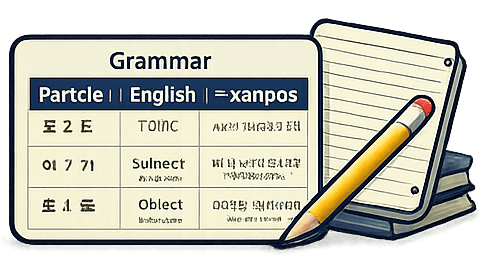
Korean particles attach directly to nouns. 서울에 means "in/to Seoul" — no separate word needed for "in."
The 4-stage Korean curriculum
Korean TokTok teaches Korean as a structured 4-stage path — Hangul to TOPIK 6 — not just topical exploration. Each stage maps to a TOPIK level with concrete vocabulary targets, grammar checkpoints, and pillar guides. Use the topical sections below as drill material as you progress.
- Stage 1Pre-TOPIKHangul & First Words15–25 h · Week 1–2
Read Hangul fluently, type Korean, pronounce 60+ survival words.
Open Stage 1 → - Stage 2TOPIK 1급–2급Beginner — TOPIK I Track120–180 h · Months 1–3
Particles, polite verb forms, ~800 words. Pass TOPIK I.
Open Stage 2 → - Stage 3TOPIK 3급–4급Intermediate — TOPIK II Track300–500 h · Months 4–9
Honorifics, K-drama dialog, 1,500+ vocab. Pass TOPIK II 3–4.
Open Stage 3 → - Stage 4TOPIK 5급–6급Advanced — Native Fluency500+ h · Year 2+
News, business, idioms, advanced register. Pass TOPIK II 5–6.
Open Stage 4 →
See the full curriculum for prerequisites, weekly schedules, and per-stage pillar guides.
The 5 pillar guides
Each pillar is a self-contained deep-dive on a core Korean topic. Read them in order with the curriculum, or pick the one that matches your stage.
- Stage 2TOPIK IKorean Grammar for Beginners
Particles, verb tenses, polite forms — the base for every Korean sentence.
Open guide → - Stage 3TOPIK IIKorean Honorifics Mastered
존댓말, 반말, 겸양어 — when to use each, with examples.
Open guide → - Stage 3–4TOPIK 3–6급TOPIK II 30-Day Plan
Day-by-day study schedule for the intermediate-to-advanced exam.
Open guide → - Stage 3IntermediateK-Drama Korean Phrases
Real phrases from popular K-dramas, with timestamps and register notes.
Open guide → - Stage 4AdvancedKorean Slang Ultimate Guide
50+ 2026 slang terms with meaning, register, and K-drama context.
Open guide →
Browse the full pillar index.
Featured Korean slang words
Hand-picked entries from our 50-term Korean slang dictionary. Each one is a dedicated page with hangul, romanization, IPA pronunciation, examples, and usage rules.
- 대박daebak
A versatile expression meaning "awesome
- 오빠oppa
Used by females to address an older male
- 사랑해saranghae
"I love you" in informal Korean
- 예쁘다yeppeuda
"Pretty
- 최애choeae
"Absolute favorite" or "ultimate bias"
- 슬프다seulpeuda
"Sad" or "to be sad"
- 인연inyeon
"Bond / connection / fated tie"
- 떡볶이tteokbokki
Spicy stir-fried rice cakes
- 막내mangnae
"Youngest"
- 셀카selka
"Selfie" in Korean
Browse the full 50-term Korean slang dictionary — grouped into 10 thematic clusters (reactions, honorifics, K-pop fandom, Konglish, and more).
Latest Korean lessons
Fresh from the blog — slang breakdowns, grammar patterns, and K-culture explainers, each a standalone lesson with examples and pronunciation.
간호사 인력난: Korean Nurse Shortage & Hospital Economy
Learn essential TOPIK terms like 인력난, 수급, and 경영 위기 to understand the economic impact of Korea's nurse shortage. Master medical news vocabulary!
Read lesson →
How to Handle Korean Administrative Fines (과태료) Politely
Learn how to handle Korean administrative fines (과태료) with the right tone. Master polite payment inquiries and extension requests.
Read lesson →
How to Read Percentages (%) in Korean Politics
Master Sino-Korean numbers and the difference between 퍼센트 and 프로. Read approval ratings like a pro and avoid common counting mistakes. Learn now!
Read lesson →
Hanhwa Eagles Fan: The Ultimate Korean Dating Compliment
Learn why being called a 'Hanhwa Eagles fan' is a high compliment for loyalty in Korean dating. Master this unique cultural metaphor today!
Read lesson →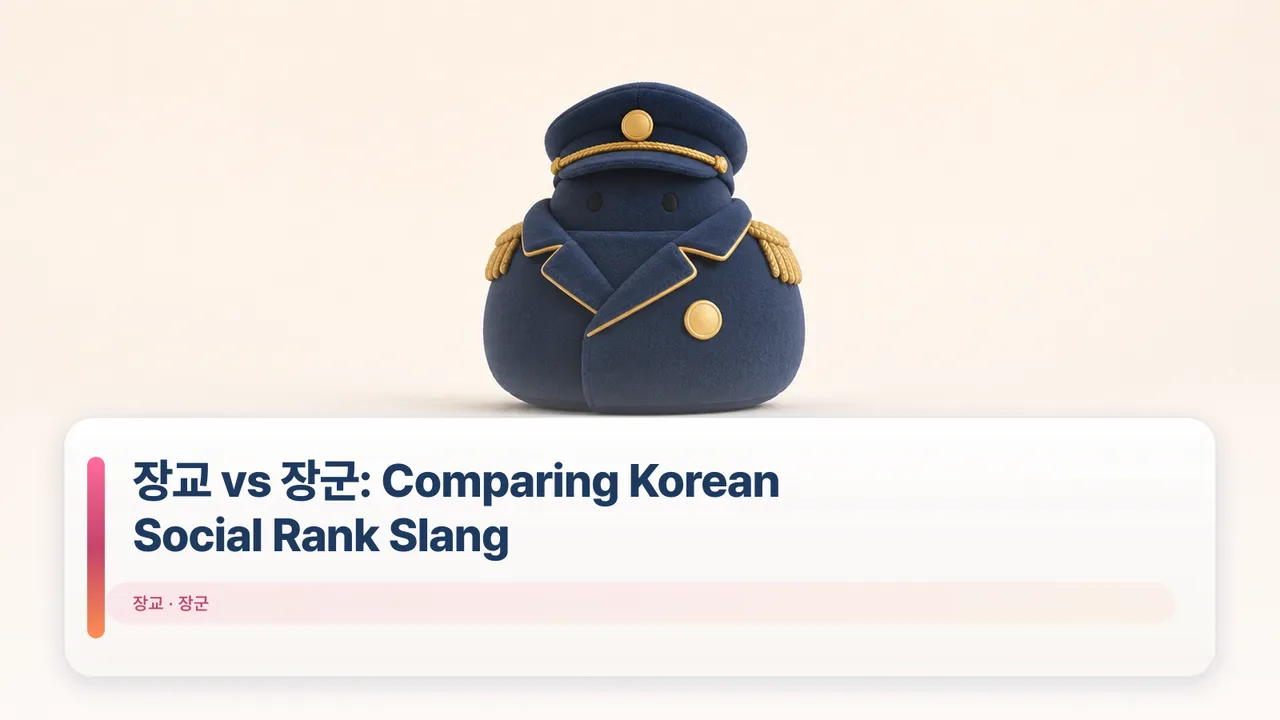
장교 vs 장군: Comparing Korean Social Rank Slang
Learn the difference between 장교 and 장군 in Korean social slang. Master these military metaphors for responsibility and leadership.
Read lesson →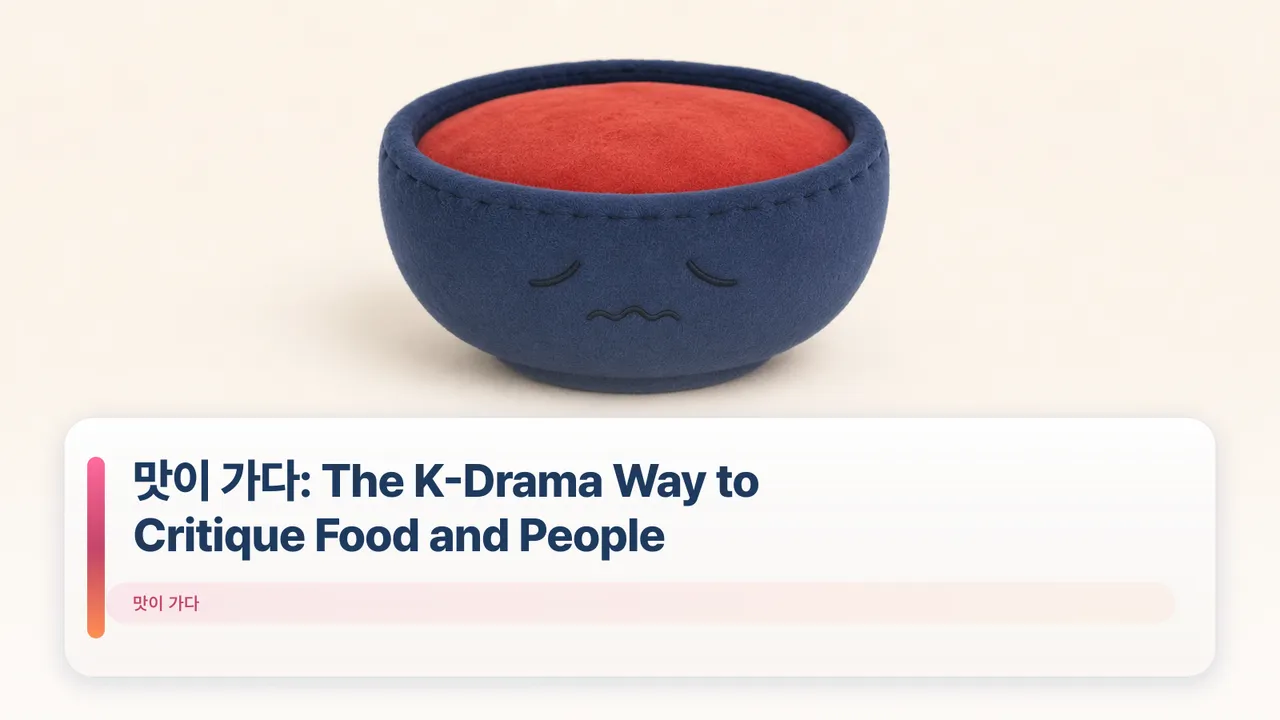
맛이 가다: The K-Drama Way to Critique Food and People
Learn how to use 맛이 가다 like a pro. Master this essential K-drama expression for food critiques and character drama. Discover more now!
Read lesson →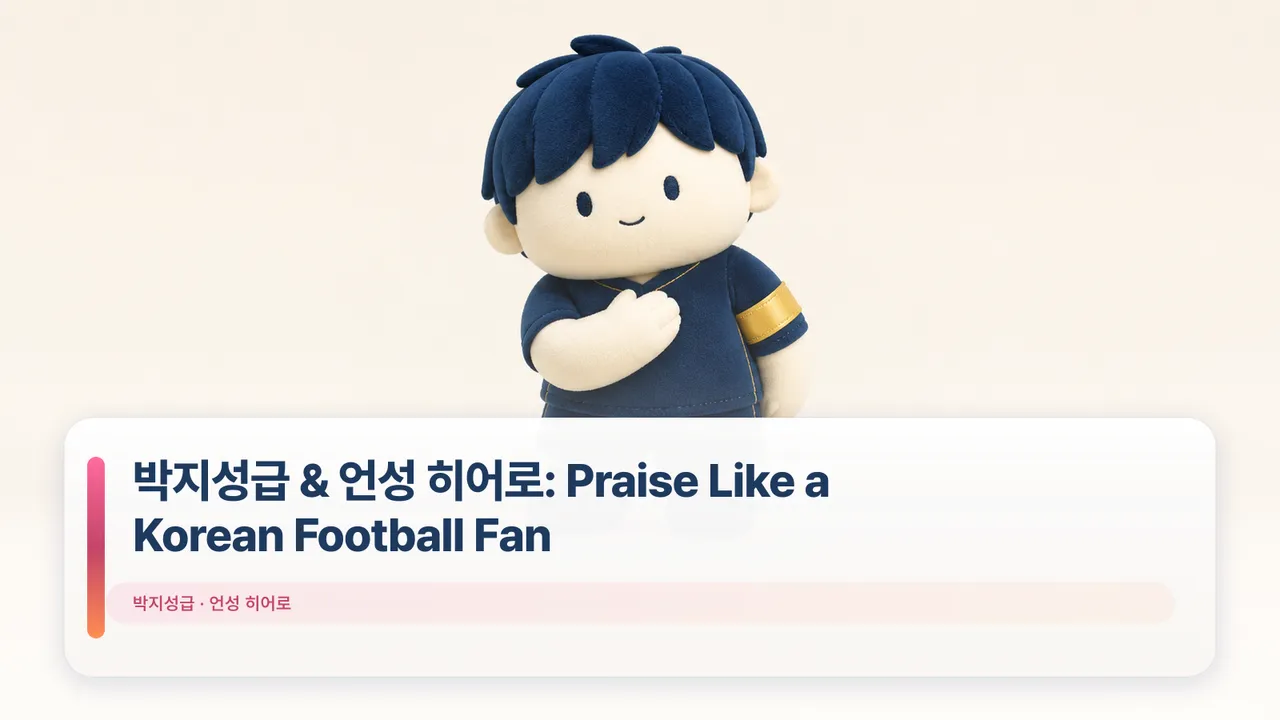
박지성급 & 언성 히어로: Praise Like a Korean Football Fan
Master 박지성급 and 언성 히어로 to praise reliability and hard work in Korean. Learn the nuance of the 'Unsung Hero' in team settings.
Read lesson →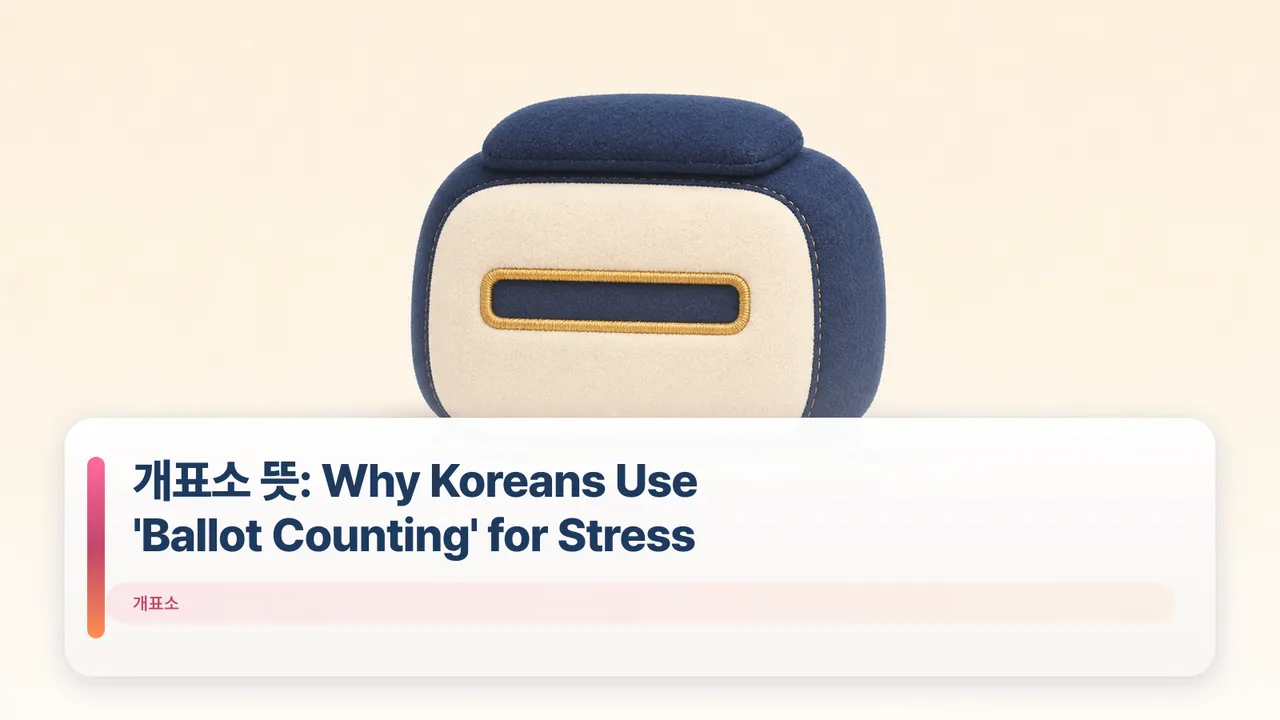
개표소 뜻: Why Koreans Use 'Ballot Counting' for Stress
Discover the '개표소' meme—how a literal ballot counting station became a viral metaphor for high-stakes waiting. Master this Korean slang today!
Read lesson →







Sign in to track your streak, save progress, and get personalized recommendations.